If you regularly send letters to an incarcerated loved one through the United States Postal Service (USPS), here is one simple organizational trick that can save you a whole lot of frustration later:
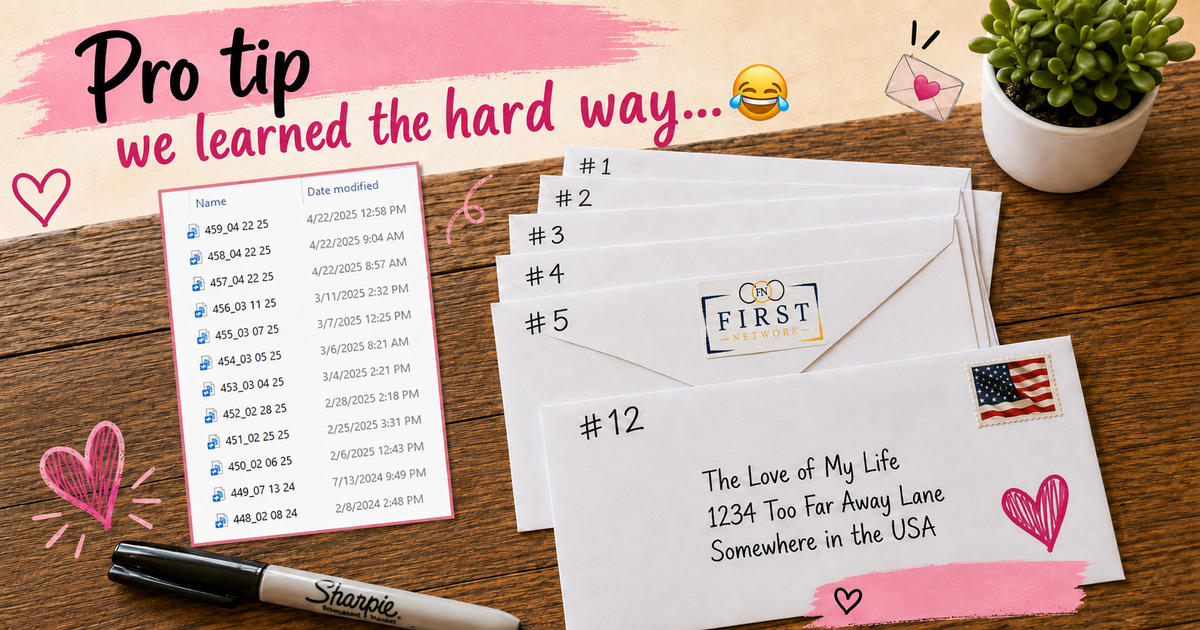
Start numbering every letter you send.
Yes… like you’re back in school.
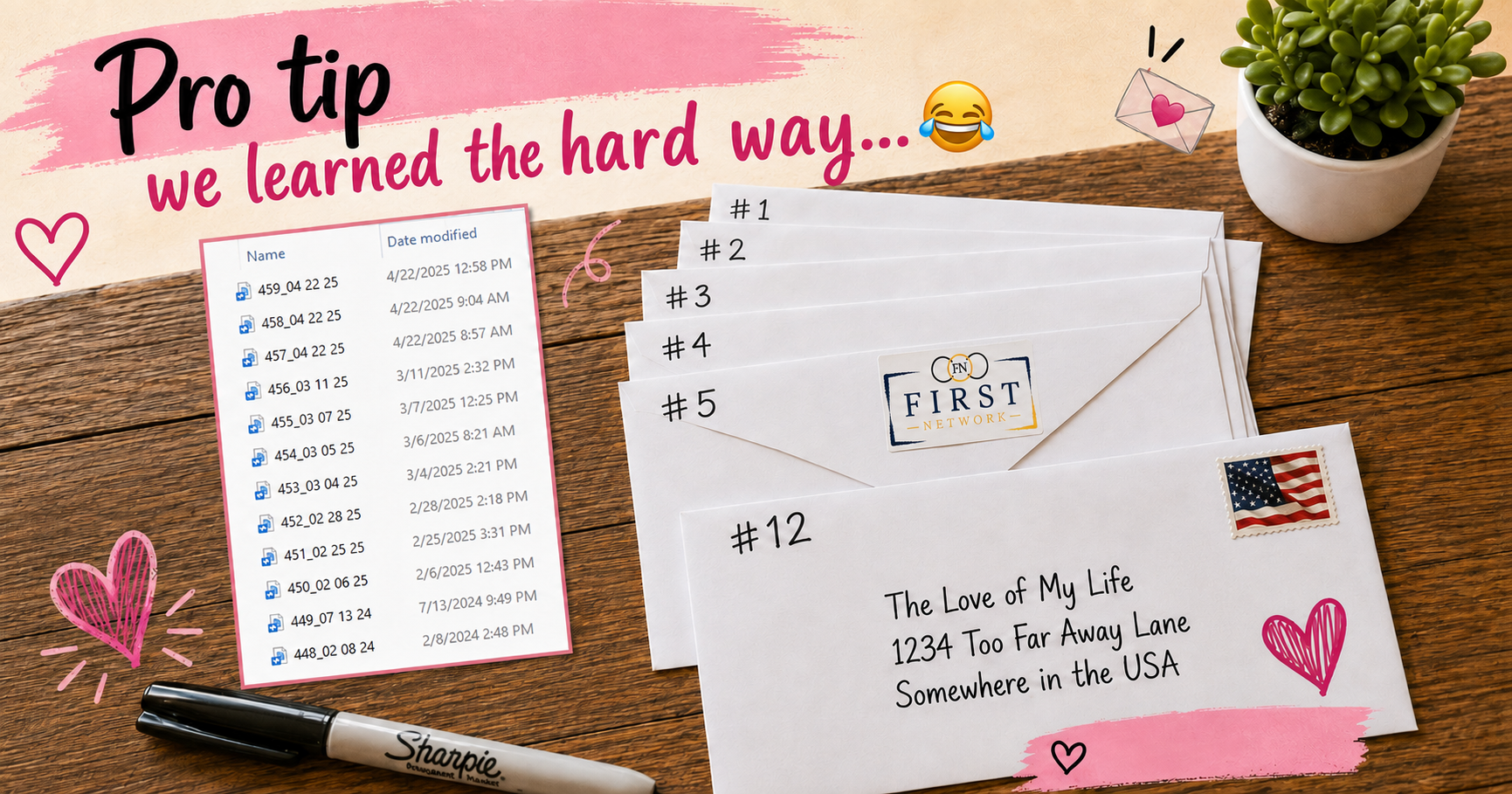
Label them Letter #1, Letter #2, Letter #3 and so on. Write the number somewhere on the outside of the envelope and at the top of the letter itself.
Then, before placing it in the mailbox, take a quick picture of each page – or save a copy to your computer if you typed it.
Why Number Your Letters?
Because sometimes mail seems to “disappear” .
Your loved one may tell you, “I never received that letter,” and you are left trying to remember exactly what you wrote, when you mailed it or whether you even sent it.
Numbering your letters gives both of you an easy way to identify what was received and what may be missing.
For example, if your loved one receives Letter #12 after Letter #10, they immediately know to ask, “What happened to Letter #11?”
It also helps when they write back and say something like:
“In response to your Letter #8…”
Now you know exactly which conversation they are referring to.
Create a Simple Record
You do not need a complicated tracking system. You can simply keep a folder on your phone or computer and save each letter using the number and date:
- Letter #1 – August 1, 2026
- Letter #2 – August 5, 2026
- Letter #3 – August 10, 2026
You may also want to keep a small log showing:
- The letter number
- The date it was written
- The date it was mailed
- The date your loved one received it
- Any photographs, cards or documents included
If a letter never arrives, you will still have a copy and can resend it if appropriate.
A Few Extra Mailing Tips
Before sending anything, make sure you:
- Confirm your loved one’s complete name and registration number.
- Verify the facility’s current mailing address and instructions.
- Place your full return address on the envelope.
- Avoid stickers, perfume, glitter, staples or other items that may violate facility mail rules.
- Keep copies of anything important.
- Use tracking when sending important documents, if the facility permits that mailing method.
Remember that a photograph or copy of your letter shows what you prepared and intended to mail, but it does not prove the facility received or delivered it. For important legal, medical or time-sensitive correspondence, consider using a mailing option that provides tracking or confirmation.
Trust Me… It Helps!
Yes, numbering and saving every letter may sound a little extra.. but it can save you later.
You will know what you sent, when you sent it and what was said. If something goes missing, you can identify it quickly and resend it without trying to recreate the entire letter from memory.
It is one of those things you never think about until you find yourself saying:
“Well… dang. I wish I had saved that.”
And as you can probably tell… yes, I am a little obsessive and organized. LOL! But when you are trying to maintain communication with someone inside the BOP, a little extra organization can make life much easier.
Have you found another simple way to keep track of letters, emails or documents sent to your loved one? Share your tips with the FIRST-Network community!
You can also visit our FIRST-Network Home page for additional information and family support.
Mail procedures can vary by facility and may change. Always review the receiving facility’s current correspondence rules before mailing anything.
#FIRSTNetwork #BeTheirVoice #BOPFamilies #PrisonMail #FamilySupport
See a concern like this?
Document a facility issue in two minutes. Anonymous options available.